If you have AFib, your doctor may ask how you sleep. That is on purpose. FCCI's own AFib guidance says patients should be evaluated for sleep apnea, a condition where breathing stops and starts during sleep. Finding and treating it is part of a full AFib plan.
What sleep apnea is
With sleep apnea, your airway narrows or closes during sleep, and breathing pauses again and again through the night. Many people do not know they have it. A bed partner often notices first.
- Loud snoring
- Pauses in breathing, gasping or choking during sleep
- Waking up with a headache or dry mouth
- Feeling tired during the day even after a full night in bed
- Trouble focusing
Why it matters for AFib
Treating AFib well means looking at the things that can make it harder to control. FCCI lists a sleep apnea evaluation right alongside blood thinners, rhythm medicines and weight loss as part of its multidisciplinary approach. If you have both conditions, treating your sleep can be one piece of managing your heart rhythm. Your doctor will explain how it fits your plan.
Sleep care at FCCI
FCCI was the first to incorporate sleep medicine into cardiovascular medicine, back in 2011. Today it has a sleep medicine and pulmonology team, including Dr. Irram Hamdani and Dr. Daniel Thielemann, and a sleep lab at the Southside office on AC Skinner Parkway.
FCCI also offers home sleep testing. This is a portable test done in the comfort of your own bed instead of a sleep lab, using less monitoring equipment. Talk to your physician about whether you qualify.
Having heart and sleep care in one practice
When your heart rhythm doctor and your sleep doctor are in the same practice, it is easier to coordinate. Results can be shared, and you are not starting from scratch with a new office. That is part of what FCCI means by having a range of specialists under one roof.
What you can do now
- Ask your bed partner if you snore loudly or stop breathing during sleep.
- Notice how rested you feel during the day.
- Bring these notes to your next heart visit.
- Ask your doctor whether a home sleep test or lab study makes sense.
If you have trouble breathing, chest pain or fainting, call 911.
What a sleep test involves
A home sleep test usually means wearing a few small sensors overnight in your own bed. They track things like your breathing and oxygen level. You return the equipment, and a sleep doctor reviews the results. Some people need a study in a sleep lab instead, which records more information. Your doctor will help you decide which is right.
If you are diagnosed
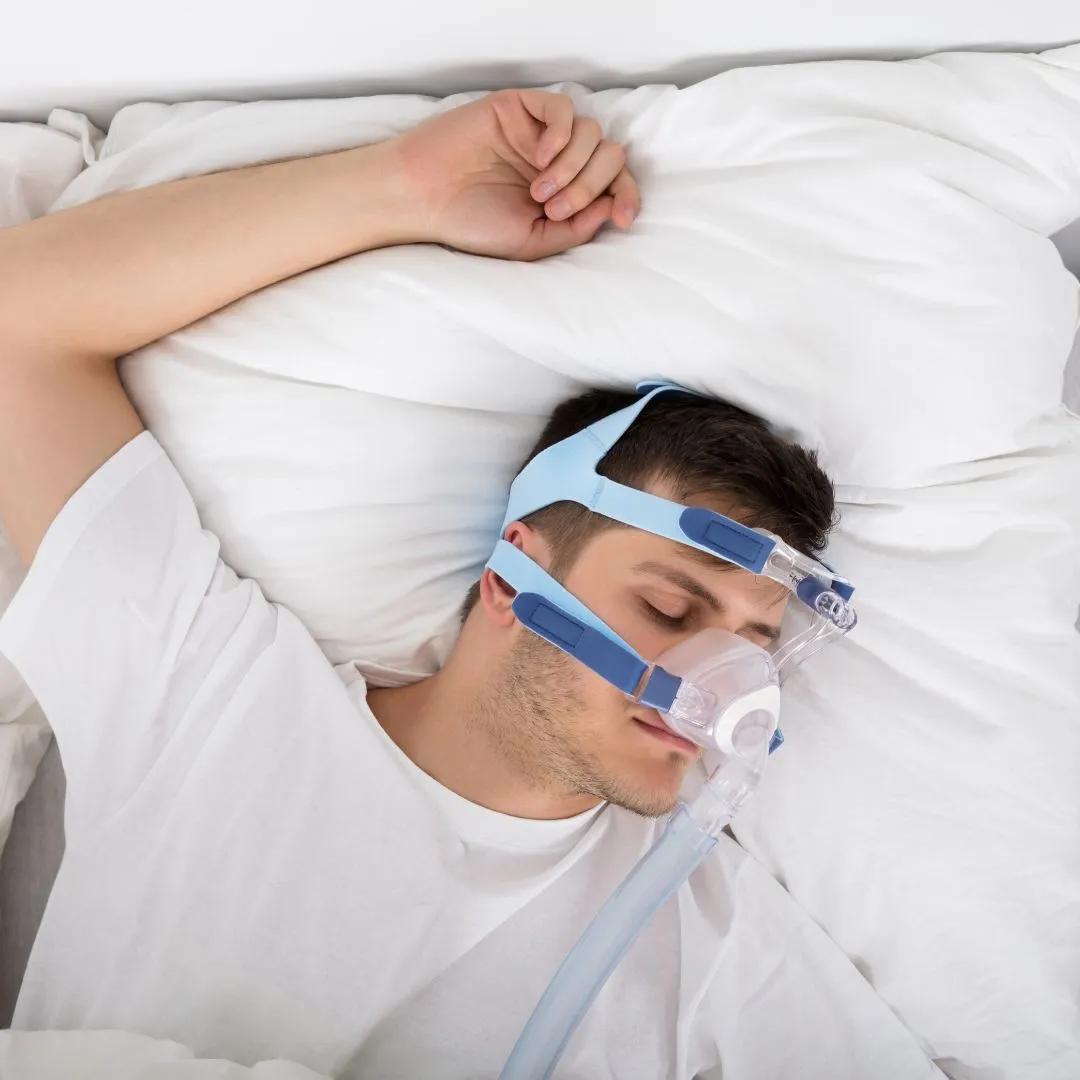
Treatment depends on how severe the sleep apnea is. Your sleep doctor will walk you through the options, which may include a CPAP machine that keeps your airway open while you sleep. Many people say they feel more rested once they find a setup that works for them. Give yourself time to adjust, and call the sleep team if something is uncomfortable.
Getting care at FCCI
FCCI is one of the few places where heart rhythm care and sleep medicine sit under one roof. The sleep lab is at the Southside office, 7011 AC Skinner Parkway, and FCCI also sees patients in Orange Park, Palatka, Waycross and around Jacksonville.
Only a sleep study ordered by your doctor can tell whether you have sleep apnea.
Snoring, tired, and dealing with AFib? Call 904.493.3333 on weekdays between 8AM and 5PM to ask about a rhythm visit or a sleep evaluation, or leave your name and number on the request form.